Most corporate team-building activities follow a familiar pattern. Trust falls, escape rooms, and board games with a work twist. They can be fun, but they don’t always leave people with something they can actually hold onto afterward, literally or otherwise. This is where pottery starts to stand out as a different kind of team activity altogether. Let’s look at what corporate pottery sessions actually involve and what teams tend to take away from them.
What Happens in a Corporate Pottery Session?
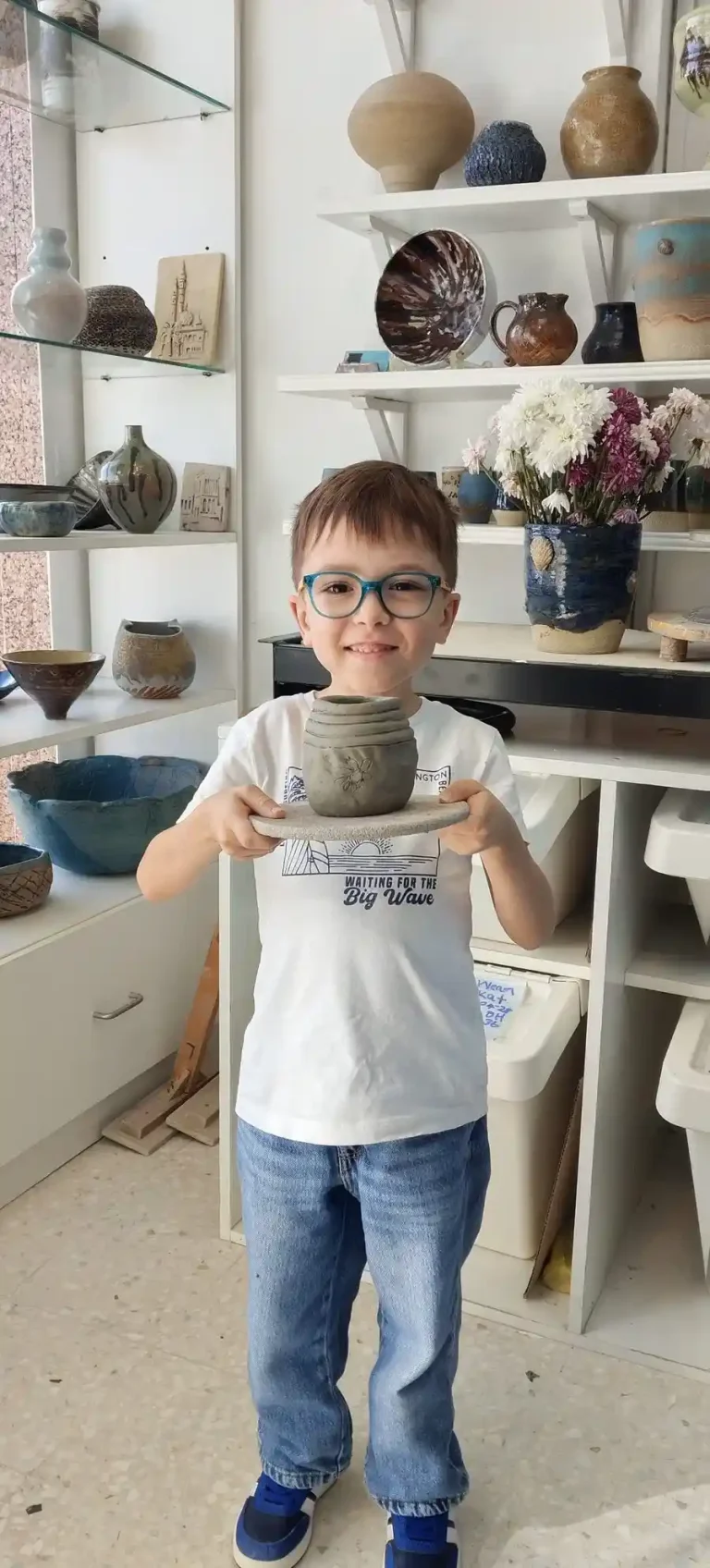
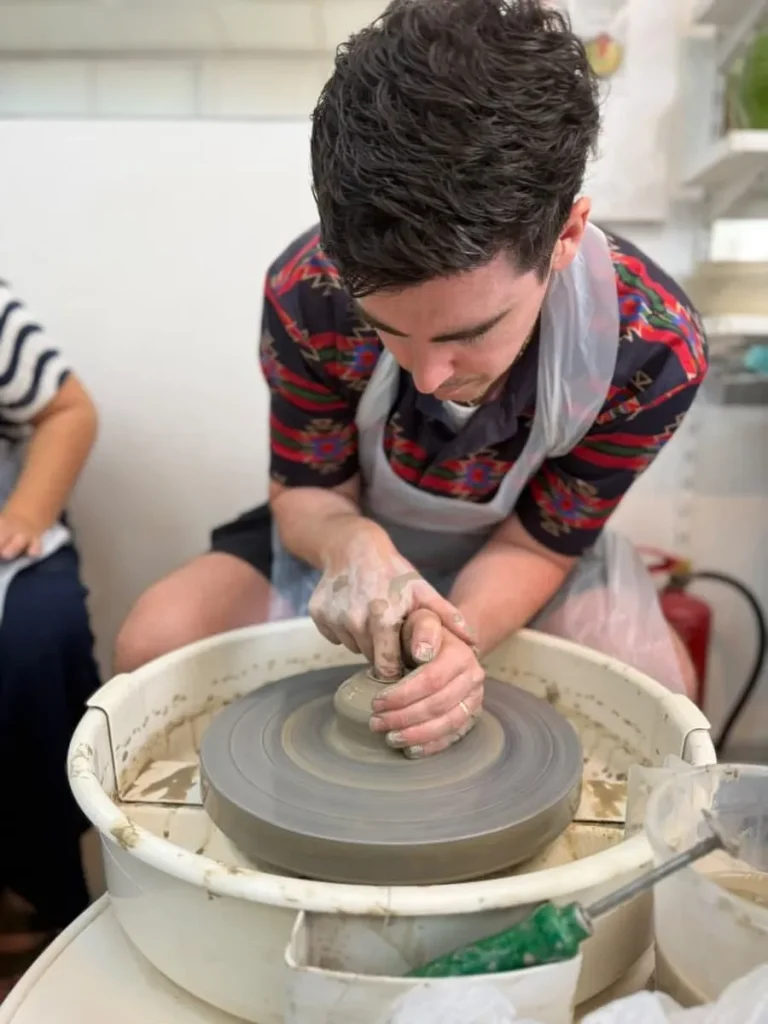
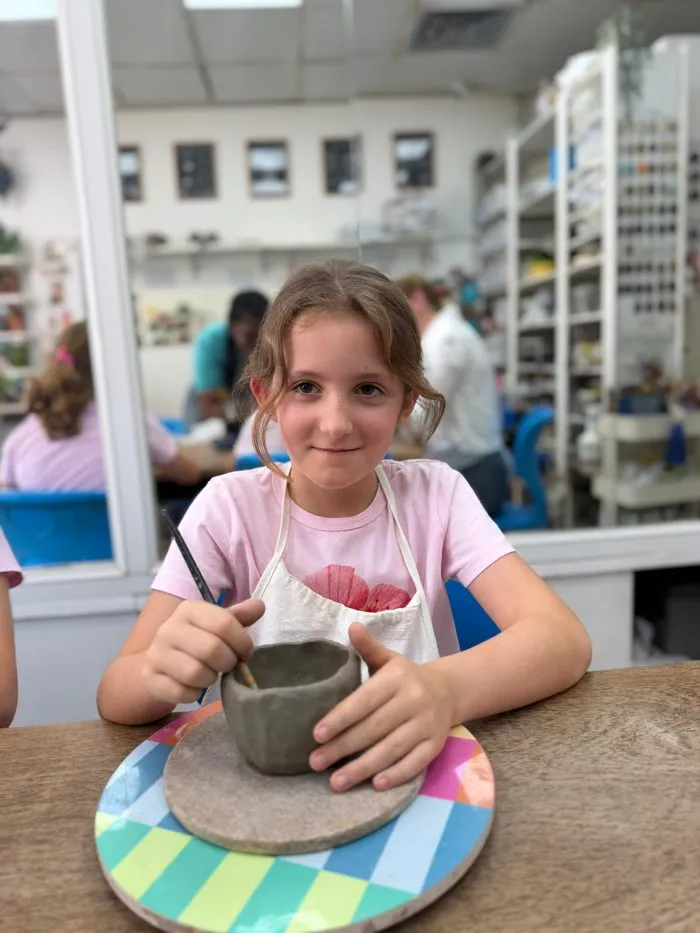
Corporate pottery sessions are generally built around a shared, hands-on project rather than individual work. A group decides on one item to create together, such as an animal, a building, or a teapot. From there, the team sketches and designs the piece as a group, and each person creates one part of the final item. This structure naturally forces communication. You can’t create your section without understanding how it fits into everyone else’s. Depending on the size of the group, some participants also get a short turn on the Potter’s Wheel. With larger groups, it isn’t realistic for everyone to use the potter’s wheel individually, so sessions are usually designed around hand-building as the main activity, with wheel time offered where possible. Some sessions also include pottery painting, where ready-made pieces are designed and painted by participants. This works well for teams who want a creative, low-pressure activity without the technical learning curve of shaping clay from scratch.
Why Pottery Works Well for Team Building
It Requires Real Collaboration, Not Just Presence
A lot of team-building activities only need people to be in the same room. Pottery is different because the final piece genuinely depends on everyone doing their part correctly. If one section doesn’t align with the rest, the whole group notices immediately, which pushes real coordination rather than surface-level participation.
It Slows People Down
Clay doesn’t respond well to rushing, and that’s actually part of the value. In a work environment built around speed and quick decisions, spending an hour focused entirely on a physical, tactile task forces a different pace. Many participants find that this shift in pace is exactly what helps them reset and engage differently with their colleagues.
It Creates a Shared, Physical Outcome
At the end of a corporate pottery session, the team has an actual object they created together, not just a memory of an activity. That shared result tends to stick with people longer than a typical icebreaker, and it often ends up on display somewhere in the office afterward.
It Levels the Playing Field
Job titles don’t matter much when everyone is equally new to working with clay. Pottery sessions tend to flatten hierarchy naturally, since the CEO and the newest team member are usually facing the same learning curve at the same time.
It Encourages Patience and Problem Solving
Clay doesn’t always cooperate on the first attempt, and that’s a useful lesson in itself. Teams often end up problem-solving together in real time when a shape isn’t working or a piece needs adjusting, which mirrors the kind of collaborative troubleshooting needed in actual work situations.
Is Pottery a Good Fit for Every Team?
Corporate pottery sessions tend to work particularly well for teams that:
- Want a hands-on activity instead of a screen-based or seated one
- Are looking for something different from typical office team building
- Value activities that produce a tangible result
- Have a mix of personalities, since pottery tends to bring out both quiet and vocal participation equally
Bring Your Team Together at Abu Dhabi Pottery
If you’re planning a corporate outing and want something that goes beyond the usual team-building formula, corporate pottery sessions at Abu Dhabi Pottery Studio, the UAE’s first-ever modern pottery studio, offer a hands-on experience that’s Master Potter guided, led by Master Potter Homa Farley and her trained team of teachers.
It is a simple way to get a team working with their hands, communicating naturally, and walking away with something they created together.
Frequently Asked Questions
- What do corporate pottery sessions usually involve?
They typically involve a group working together on one hand-built project, such as an object the team designs and creates collectively, with each person contributing a part.
- Do all participants get to use the pottery wheel?
Not always. For larger groups, sessions are mainly focused on hand-building, since it isn’t practical for every participant to use the potter’s wheel individually.
- Is pottery a good team-building activity for the workplace?
Yes. It encourages collaboration, patience, and communication, since the final piece depends on the whole group working together.
- Do employees need any prior experience to join a corporate pottery session?
No prior experience is needed. Sessions are designed to be approachable for beginners while still being engaging for anyone with previous pottery experience.

Homa was born in Tehran, Iran where she spent her childhood and teenage years. She has lived in the UK, and currently resides between Spain and the United Arab Emirates.